
Every year, ChinaJoy provides a window into the direction of the global gaming industry. In 2026, that window revealed a market undergoing a fundamental transformation. Beyond the scale of new releases, global participation, and technological showcases, the conversations across Shanghai reflected a massive shift in how the industry thinks about the future of gaming.
This year's theme, Level Up with AI, echoed throughout the exhibition halls, conference sessions, and business meetings. For us at Affle, the discussions at ChinaJoy reinforced several strategic shifts we've been seeing in recent years.
1. Verticalized AI Redefining the Global Playground through Consumer Intent
Gaming presents challenges unlike any other vertical.
Player motivations change by genre. User value evolves across different stages of gameplay. Creative fatigue happens faster. Seasonal events can dramatically shift engagement patterns, while monetisation models differ across casual, mid-core, and hardcore titles.
The next generation of driving conversions for marketers is increasingly on verticalized AI expertise. At Affle, this vision has shaped how we build AI-first solutions: not as one-size-fits-all automation, but as intelligence designed around the realities of each industry.
2. Regional intelligence in a global gaming economy
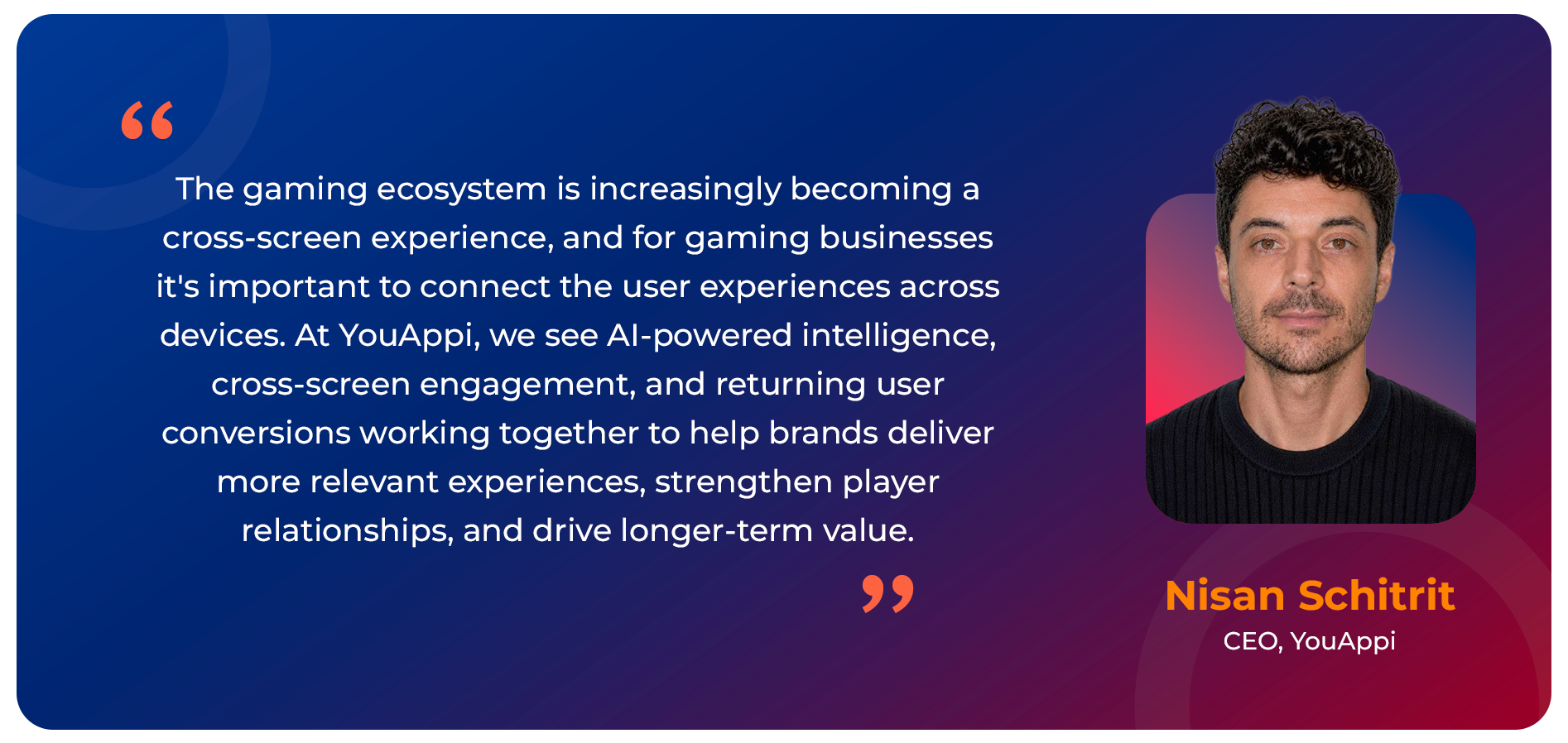
As game developers look beyond their home markets to unlock growth across Southeast Asia, MENA, Latin America and other high-potential regions, understanding local consumer behaviour has become a strategic advantage rather than a tactical consideration. While technology can enable scale, sustained business outcomes increasingly depend on interpreting the cultural, behavioural and commercial nuances that shape consumer decisions in each market.
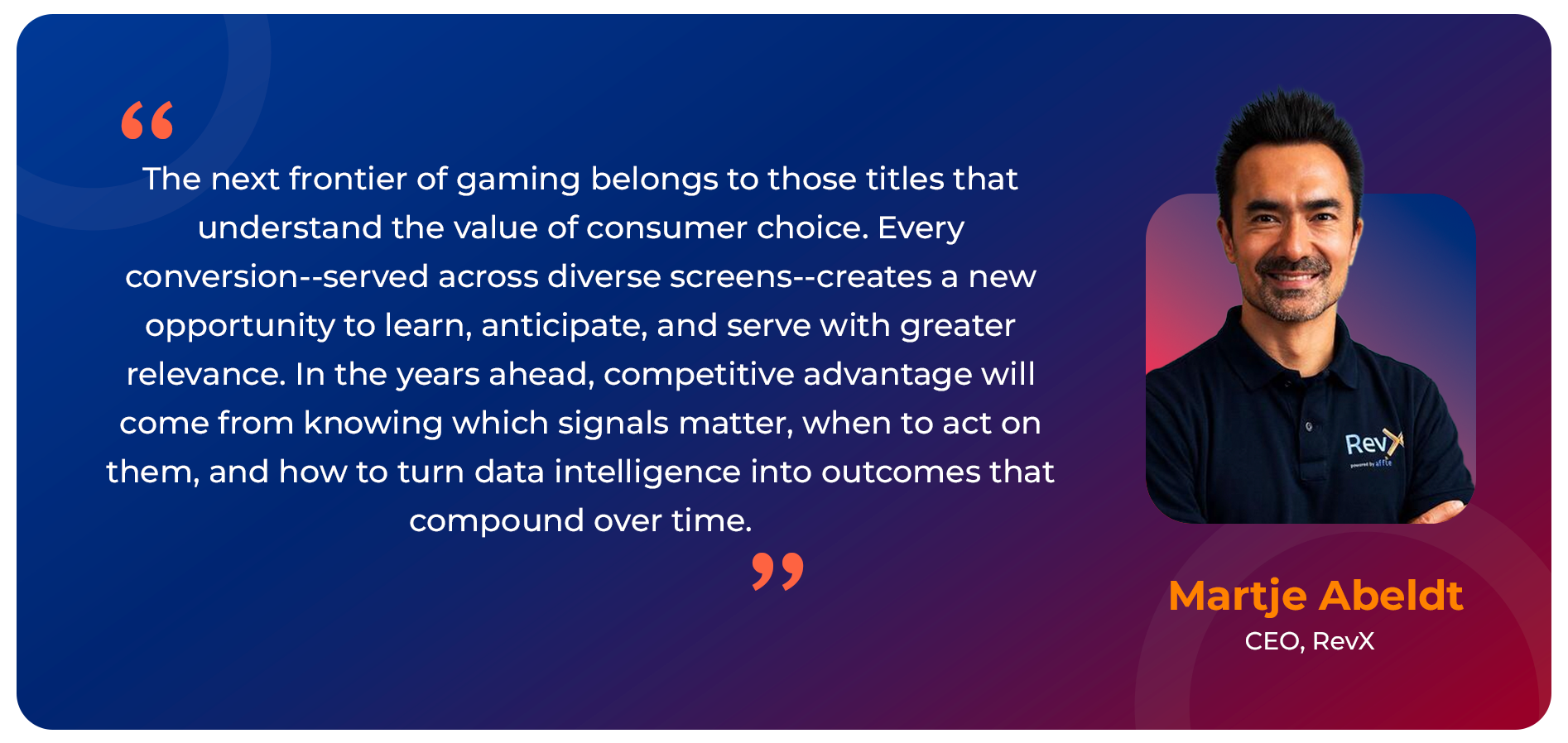
As someone working closely with China's digital ecosystem, including the gaming industry, Klaus Cui, believes the industry's next phase will be shaped as much by regional consumer understanding as by technological advancement.
3. The Future of Gaming is Connected Across Screens
The way gamers discover and engage with games has fundamentally changed.
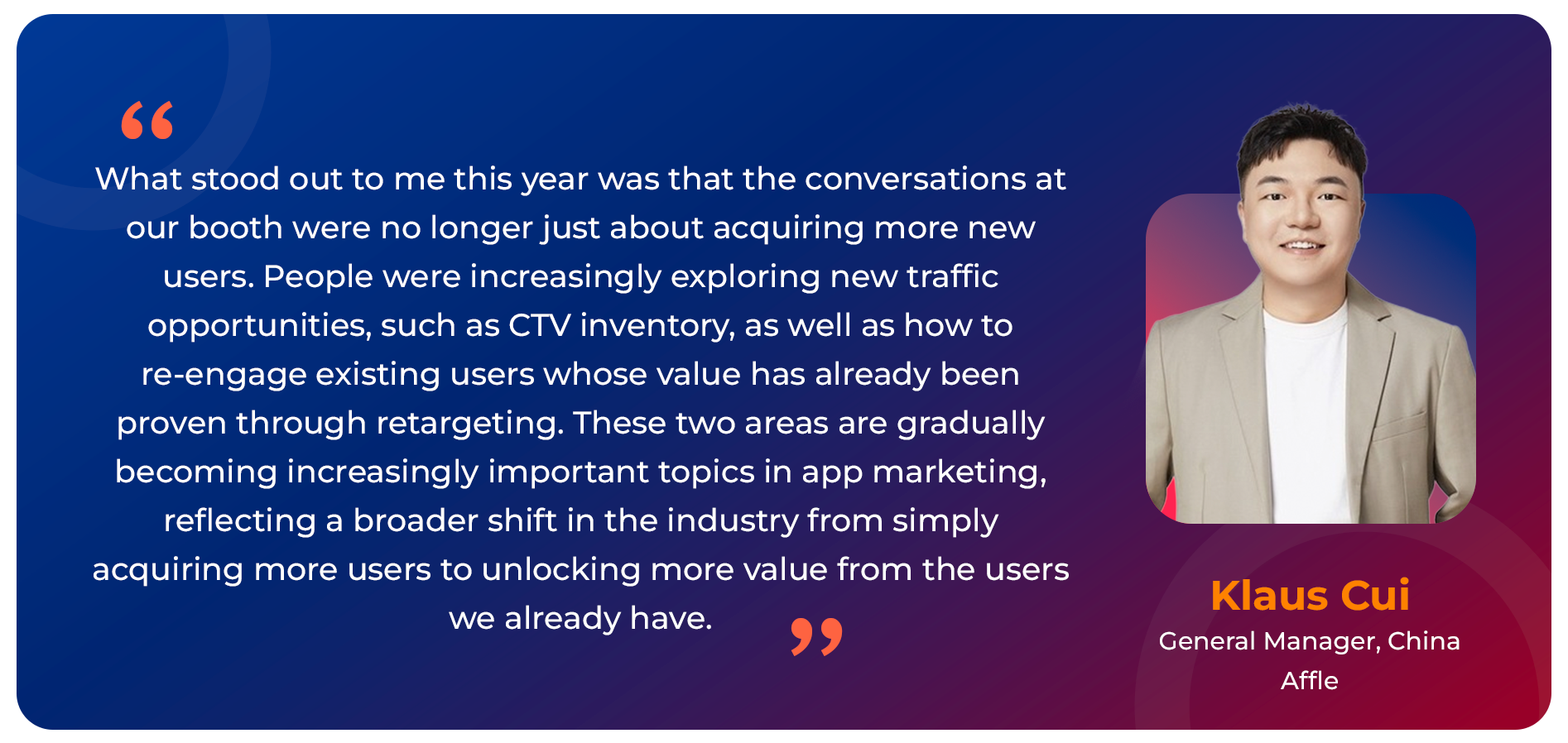
A gaming journey no longer begins and ends on a single device. A consumer might first encounter a game trailer on Connected TV, watch gameplay on a creator's livestream, explore reviews on social platforms, and only later complete registration or make their first purchase on their mobile device. Every interaction contributes to intent, yet only one of them may be recognised as the "conversion."
This shift presents both a challenge and an opportunity for gaming marketers.
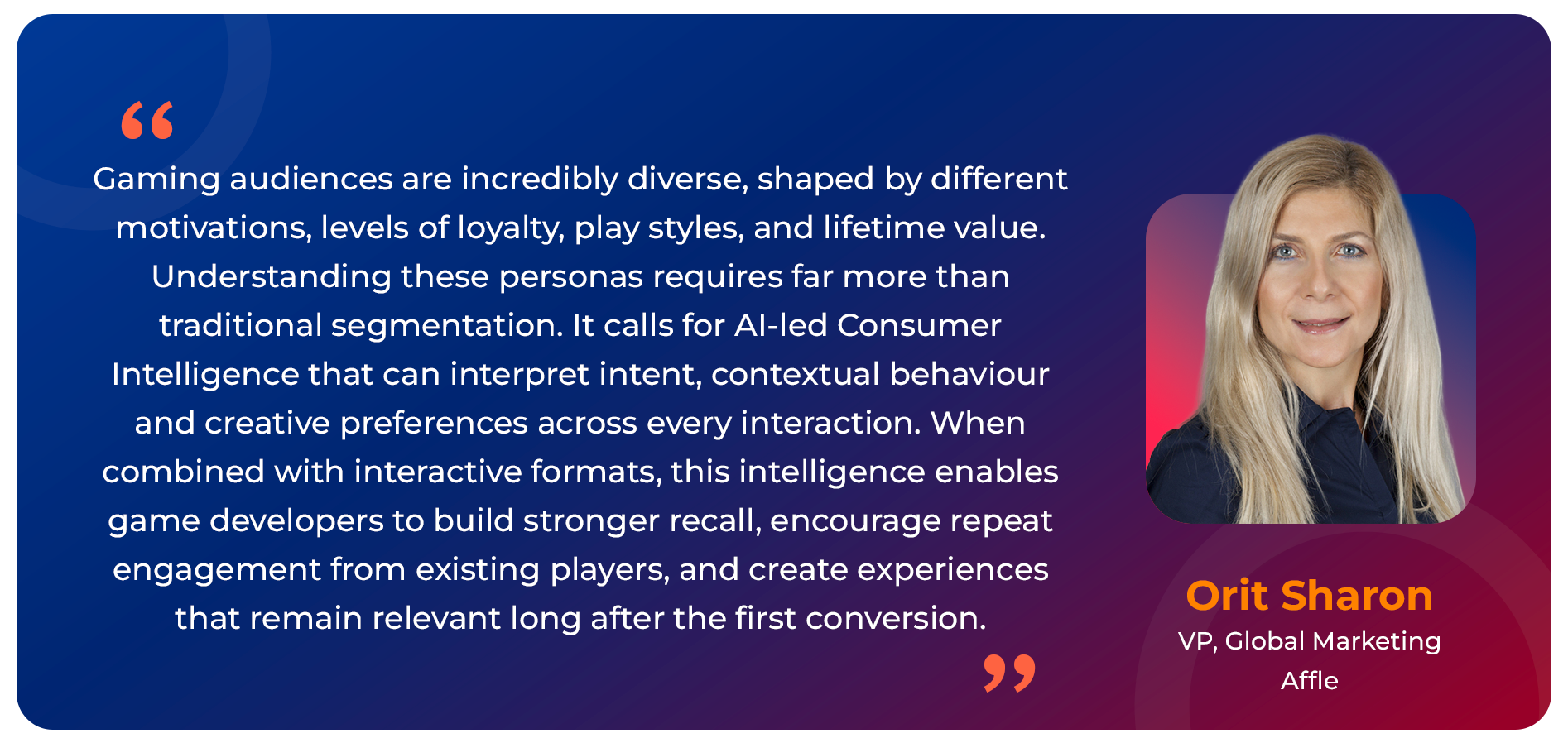
4. The Next Opportunity Lies Beyond the First Conversion
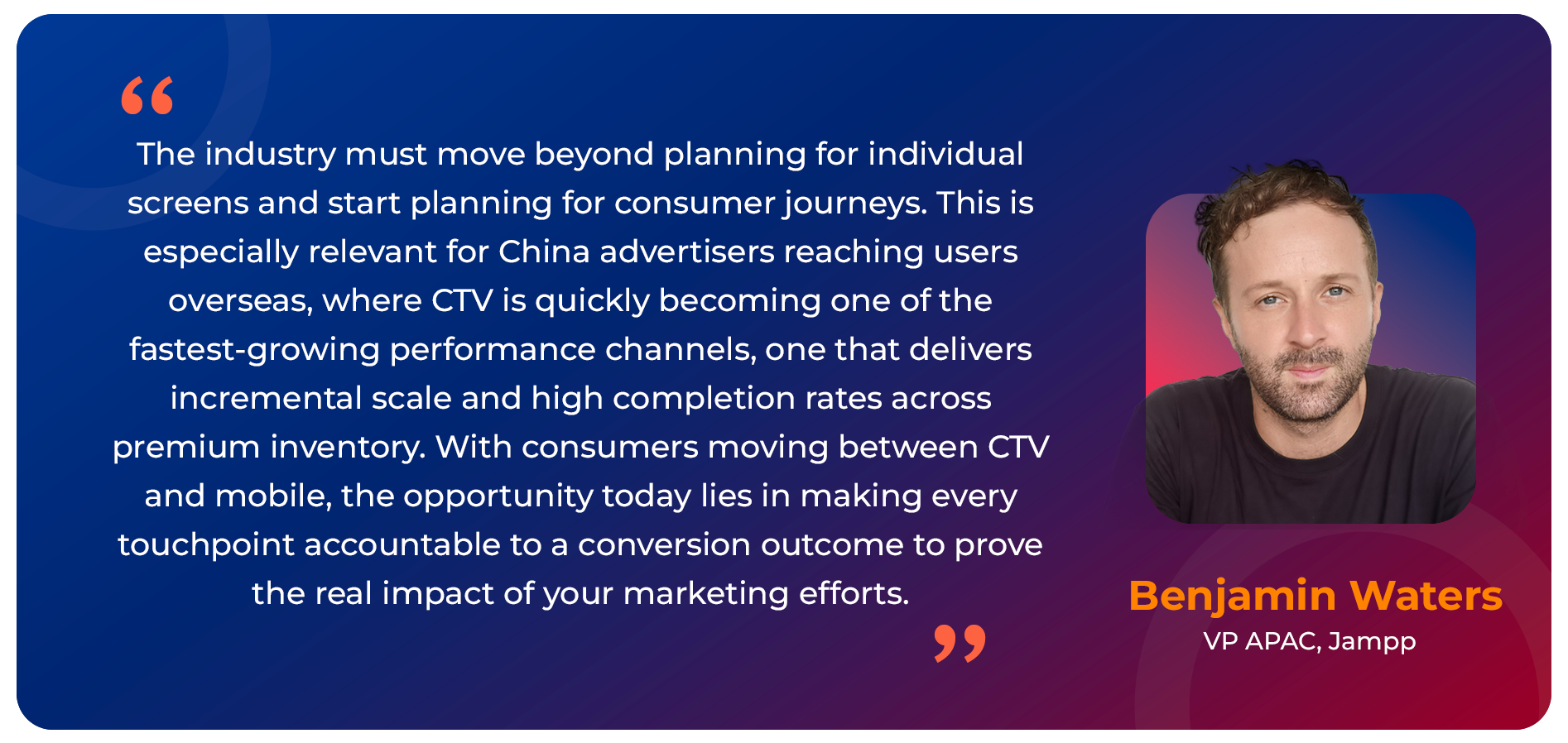
For years, gaming success was measured by how efficiently businesses could drive new player acquisitions. Today, the conversation is evolving towards a more important question: what happens after the first conversion?
This shift is prompting gaming businesses to rethink how they measure performance. Instead of viewing campaigns as isolated events, marketers are increasingly focused on understanding the complete consumer lifecycle, including focusing on repeat user conversions and long-term consumer value.
For Orit Sharon, gaming offers valuable insights into how digital consumers interact with technology, making it an important lens for understanding broader industry transformation.
ChinaJoy 2026 made one thing clear: the future of gaming will be shaped as much by consumer understanding as by technological advancement. Across every discussion, from AI and regional intelligence to cross-screen engagement and lifecycle growth, the focus was increasingly on building experiences that are more relevant, measurable, and sustainable. Those conversations are likely to influence not only where the gaming industry goes next, but how marketing continues to evolve more broadly.
-3.png)